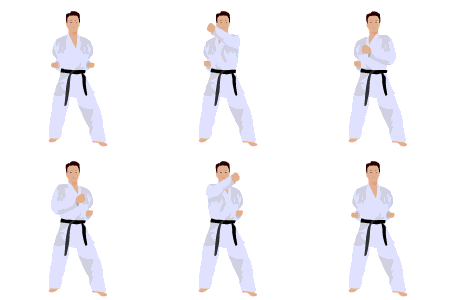
You've signed up for your first karate class, and then it hits you: what are you supposed to wear? If you've been searching "what is a karate gi", you're in good company. Almost every beginner asks the same thing before their first session, usually while staring at a very long list of white uniforms online.
This karate uniform guide for Dubai keeps things simple. We'll cover what a gi is, what it's made of, how it should fit, what the belt means and what else you might need to buy, so you can walk into class feeling ready instead of confused.
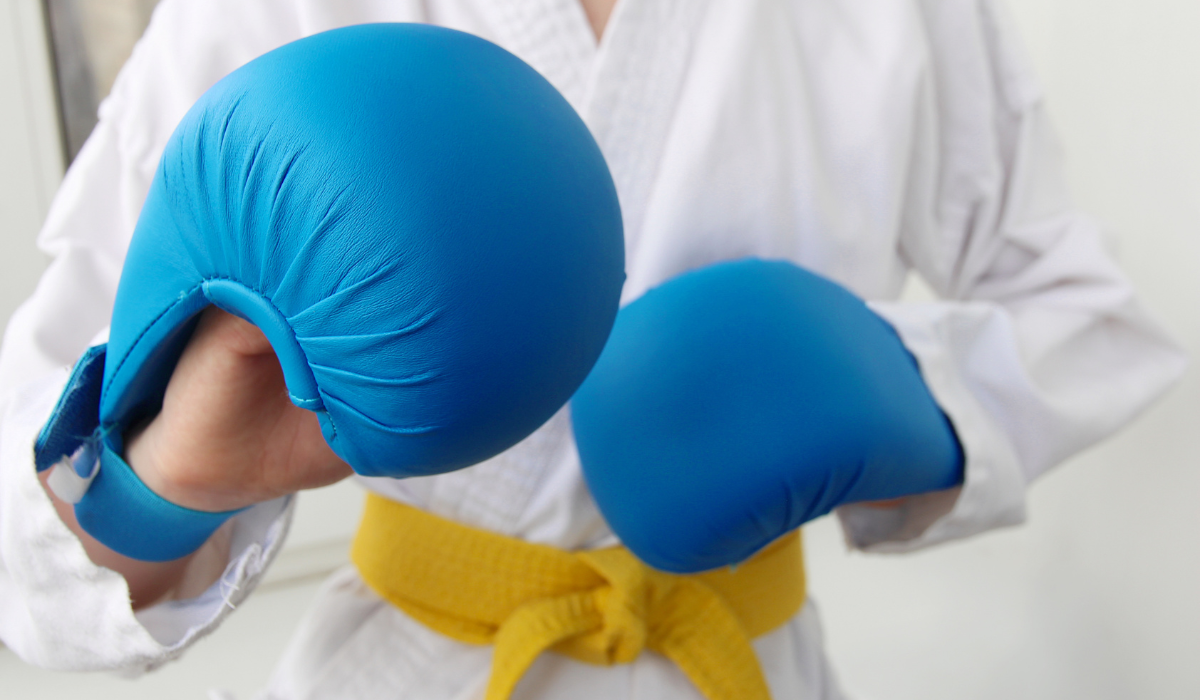
A karate gi (often called a karategi) is the traditional uniform worn for training. The word simply means "karate clothing" in Japanese. It's loose, light and made to move with you, which matters when you're throwing kicks, dropping into stances and practising kata.
Most people picture a plain white outfit, and that's the standard in most dojos. The white is more than a look. It stands for simplicity and respect, and it keeps everyone on the same level once class begins.
A full set has three parts:
The jacket (uwagi): A wraparound top that closes left over right. It's built from sturdy cotton so it can handle sudden pulls and a lot of movement.
The pants (zubon): Lightweight, loose trousers with a drawstring or elastic waist so you can kick and squat without anything holding you back.
The belt (obi): It holds the jacket closed and shows your rank.
That's it. No logos required and no special accessories. If you're buying a karate gi for beginners, start with a plain set and don't overthink it.
Gi fabric is sold by weight, and this is where people get stuck. As a rule of thumb:
Light (around 8 oz): Breathable, cheaper and easy to wash. A very sensible choice for beginners, especially in Dubai's heat.
Medium (around 10 oz): A good all-rounder that lasts longer once you're training several times a week.
Heavy (12 oz and above): Stiff, crisp and noisy when you snap a technique. Popular with kata specialists, but warm and not necessary at the start.
If you're unsure, go light or medium. You can always upgrade later once you know how often you'll train.
Most gi sizes match your height in centimetres. A size 160 suits someone roughly 160 cm tall, for example. Brands vary a little, so check each size chart. A few quick tips:
The sleeves should end around your wrist.
The pants should reach your ankles, not your shins.
Leave a little room, because cotton can shrink after the first few washes.
Children grow quickly, so a slightly larger size with folded cuffs is often practical.
The belt is the part everybody gets curious about. Beginners start with a white belt, and you move through colours as you grade. Exact colours differ between styles and clubs, but a common Shotokan order runs from white to yellow, orange, green, purple, brown and finally black.
The belt isn't a trophy. It shows where you are in your learning. Wear it neatly, tie it firmly and your instructor will show you the proper knot in your first class.
Buying a uniform is easier when you know what your club expects. At Karate365, new students get help with exactly this kind of question, from which gi to buy to how to tie a belt. If you're looking for shotokan karate in Silicon Oasis, coaches will guide you through your first classes at a pace that suits you, so you never feel like the odd one out.
Good news: for your first few weeks, you'll probably need very little. Here's a simple karate equipment checklist:
Gi and belt: Needed from day one.
Water bottle and small towel: Essential in the UAE climate.
Mouthguard: Usually needed once sparring (kumite) starts.
Hand and foot guards or mitts: Needed for sparring, not for basics.
Shin and instep protectors: Also for sparring.
Groin guard (and chest guard for girls and women): Common for competition and sparring.
A gym bag: Handy for keeping everything fresh and together.
Wait until your instructor tells you what's required. Many beginners buy a full set of gear and end up not using half of it for months.
If you want to buy a karate gi in Dubai, ask your dojo first. Clubs often recommend a trusted supplier or sell uniforms directly, which means the right style, the right size and often a better price. You can also check sports shops across the UAE or order online, but read return policies carefully in case the size is off.
A word on price: beginners don't need the most expensive gi on the market. A decent, comfortable set is plenty until you're training regularly.
Keep it simple. Wash it after training, since sweat and heat in Dubai can make a gi smell fast. Use cold or warm water, skip harsh bleach and hang it to dry rather than putting it in a very hot dryer. A clean, neat gi is part of dojo etiquette and shows respect for the training space.
Most gis are made from cotton or a cotton-polyester blend. Cotton is breathable and traditional, while blends dry faster and wrinkle less.
Not always. Many clubs let you try a first session in comfortable sportswear. Ask your dojo before you buy anything.
Yes. Men usually wear nothing or a plain T-shirt, and women and girls typically wear a plain T-shirt or sports top. Follow your club's guidelines.
With regular washing and training, a decent gi can last a year or more. Children often outgrow theirs before it wears out.
So, what is a karate gi? It's a simple, practical uniform that helps you move freely and stay focused, and choosing one doesn't have to be stressful. Pick a light or medium gi in the right size, start with a white belt and add protective gear only when your instructor asks for it.
Ready to put it on? Join a beginner class at Karate365 and ask the coaches anything you like. Whether you're starting out yourself or bringing your child, shotokan karate in Silicon Oasis is a friendly place to take your first step.